
CONTENTS
Backpacking Vietnam: A Different Way to Move Through a Country
Shop Round the World Bundles Now
View All


Explore the CabinZero ADV Collection
View All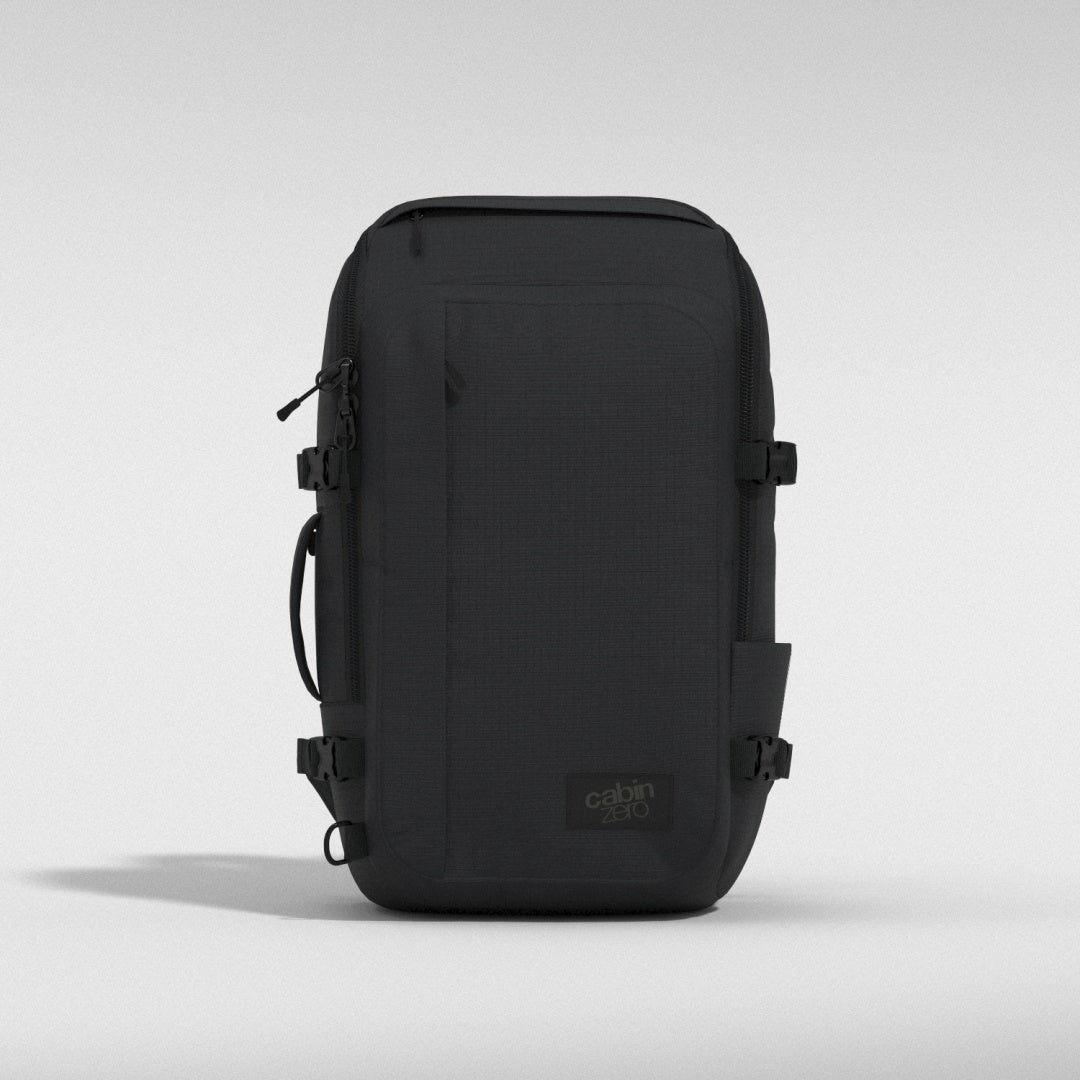


Backpacking Vietnam is best done over 2–4 weeks, with most travellers choosing either a north-to-south or south-to-north route between Hanoi and Ho Chi Minh City.
Vietnam isn't a destination you tick off a list. It's a country you feel. Every city has its own rhythm, every region its own personality, and no two travellers ever seem to leave with the same story.
This guide covers the best Vietnam backpacking routes, daily budget, transport, must-visit stops, safety tips and how to pack light.

The country is full of breathtaking landscapes and rich history to explore. Photo by Natee Meepian on stock.adobe.com
Vietnam Quick Facts for Backpackers
Backpacking in Vietnam becomes much easier with a few basic facts in mind. Here are the details:
|
Category |
Information |
|
Currency |
Vietnamese Dong (VND). Many family-run shops, buses, and local restaurants accept cash & mobile bank via QR code. |
|
Visa |
90-day E-visa available online (apply via the official government website) - $25 |
|
Daily Budget |
$25 - $40 per day |
|
Best Time to Go |
Literally every month, but you can choose January-February (Just before Tet, when cities feel lively and colourful. During the holiday, many locals travel back to their hometowns, so cities become quieter, with fewer open venues and services) |
|
Transport |
|
|
Accommodation |
$6 - $30 per night |
Step 1: Preparing Your Vietnam Backpacking Trip
When backpacking in Vietnam, the route shapes how fast you move and how flexible your trip feels.
Decide your route
First, you need to decide how you want to move through the country.
There are two popular options: choose a north-to-south or south-to-north route as the country stretches long and narrow. This makes overland travel simple and efficient.
- If you start in the north, you will first experience cooler weather and mountain landscapes, then warmer cities later.
- In contrast, starting in the south feels faster and more energetic, easing into slower travel as you move north.
In case you have limited time, you can focus on one region - north, central, or south for a deeper experience instead of rushing.
|
If you have… |
Best route |
|
7–10 days |
North or South Vietnam only |
|
2 weeks |
Hanoi → Hoi An or HCMC → Hoi An |
|
3 weeks |
Hanoi → HCMC |
|
1 month |
Full route with slower stops |
|
If you love mountains |
Hanoi, Ha Giang, Sa Pa, Ninh Binh |
|
If you want beaches |
Da Nang, Hoi An, Phu Quoc |

Vietnam is one of Southeast Asia's most rewarding backpacking destinations. Credit: @basspejs
How Long To Spend In Vietnam?
In most Vietnam travel plans, two weeks is the minimum to enjoy the trip without feeling rushed. With less time, you’ll spend more hours on buses than actually exploring.
A useful way to plan is to think in terms of nights, not destinations. For example, you can spend at least three nights settling into major cities like Hanoi. Then, you can count like: Hanoi for 3 nights; Ha Giang loop for 3 nights, etc.
Visas
Vietnam offers a 90-day online e-visa for many nationalities, and the process is simple if you take your time. It’s easy to do via the official website and costs $25.
Small details matter here. Proofread your application carefully. Entry dates, passport numbers, spelling errors, and even your given or surname.
We recommend applying at least three to four weeks before arrival. Save both digital and printed copies. Having everything ready lets you start backpacking Vietnam without worrying about border paperwork.
Choose A Quality Backpack
Vietnam involves frequent movement: sleeper buses, trains, scooters, hostel stairs and short domestic flights. A soft, lightweight backpack is often easier than a suitcase because it fits better in luggage racks, hostel lockers and tight transport spaces.
And if you are seeking simple, lightweight options, give CabinZero a try. It focuses on comfort, durability, and carry-on-friendly sizing (28L-42L), all useful for backpacking across multiple regions.
Step 2: Set Your Vietnam backpacking budget
Vietnam is known as a budget-friendly destination, especially for food and local transport. However, popular cities and islands can push prices higher than expected.
Accommodation
Accommodation often takes up the largest part of a Vietnam backpacking budget, so planning this well can save you money over the whole trip.
Most backpackers start with hostels, especially in big cities and popular travel hubs, because they are affordable and easy to book. Dorm beds usually cost around $5–$12 per night, depending on the city and season.
After a few nights, you can switch to private rooms at guesthouses or budget hotels. These typically range from $15-$30 per night and offer more comfort without pushing costs too high.
Whilst the cost of living in Vietnam remains low compared to Western countries, prices often rise quickly in tourist-heavy areas such as old quarters, historic towns, and beach centres during peak season.
So, we recommend staying slightly outside the main tourist zone, such as in small alleys, local neighbourhoods, or areas with easy Grab access.
Foods
Vietnamese cuisine is well known for its bold flavours, fresh ingredients, and hands-on cooking methods passed down through generations.
An amazing fact is that Hanoi was voted Best Food Destination for 2024 by TripAdvisor, placing it ahead of well-known food cities like Rome and Paris in global travel rankings.
From a budget perspective, street food prices in Vietnam are very affordable, costing $1 – $3.
Local restaurants often stay under $5 per dish. If you eat mostly at street stalls and small local eateries, your daily budget for backpacking Vietnam food can easily stay around $10 or less per day.
If you switch to Western cafés or international restaurants, especially in tourist areas, those meals can push daily food spending to $15 – $25, sometimes without offering a better experience.

For many backpackers, food is a reason to visit Vietnam. Photo by Hien Phung on stock.adobe.com
Transport
There are many options for getting around when backpacking in Vietnam.
First, there are sleeper buses - convenient and inexpensive, costing only about $10-$25 between major cities. However, you'll likely find it difficult to sleep comfortably because sleeping spaces are often cramped. You'll also need to keep a watchful eye on your own stuff.
A better option is the train. Some scenic routes such as the Heritage Train are not to be missed. Ticket prices usually range from $15-$40 depending on the class and distance.
Within the city, we recommend using ride-hailing apps like Grab or Xanh SM instead of public buses. You can easily book a ride through the app and compare prices transparently; short trips often cost only $1-$5.
A big advantage is that the driver can take you directly to your destination, even to small alleys, guesthouses, or cafes that maps don't always show clearly.
Renting a motorbike is another budget-friendly option, typically costing between $5 and $10 per day, and gives you more freedom in places like Da Lat, Phong Nha, or Ninh Binh.
Activities
You can save a huge amount for backpacking in Vietnam.
There are many things to do that cost little or nothing: street markets, local festivals, people-watching at a coffee shop, walking through old towns, visiting temples, to name just a few.
However, if you want everything to be a bit organised, you can book tours for popular trips like Ha Long Bay cruises or trekking tours.
They can cost $50 – $300+, depending on quality and length. Don’t forget to compare agencies and read recent reviews before booking.
Step 3: The Top "Must-Do" Backpacker Adventures
Below is a North to South Vietnam itinerary that you can refer to for your next vacation and prepare a packing list.
Northern Vietnam
Ha Giang Loop

Backpackers to Northen Vietnam must experience Ha Giang loop once. Photo by fabio lamanna - stock.adobe.com
If there’s one place that almost every seasoned backpacker agrees on, it’s this: the Ha Giang Loop is the most incredible experience in Vietnam.
Spend 3 - 4 days riding a loop that passes through Quan Ba, Yen Minh, Dong Van, and Meo Vac. The 350-km roads are narrow, winding, and dramatic, especially at Ma Pi Leng Pass (often called one of the most beautiful mountain passes in Southeast Asia).
If you’re not confident riding a motorbike, we recommend joining an Easy Rider motorbike tour, where a local drives and you sit behind.
You’ll still get the full experience, minus the stress. Do this early in your Vietnam trip, because after Ha Giang, many places feel calmer by comparison.
Moc Chau And Sapa

The breathtaking view of the rice terraces. Photo by JKLoma on stock.adobe.com
While both are mountainous, Moc Chau and Sapa feel completely different, and that’s why experienced backpackers don’t treat them as interchangeable.
Moc Chau is quieter, greener, and known for rolling tea hills, open plateaus, and seasonal flowers rather than dramatic peaks. You can rent a motorbike and explore at your own pace.
Sapa, on the other hand, offers rice terraces cascading down valleys, and hiking routes connect small villages like Lao Chai and Ta Van.
We suggest choosing guided treks or homestays to better understand local Hmong and Dao cultures. Whilst Sapa is more touristy, it still delivers when you slow down and focus on experiencing rather than chasing viewpoints.
Hanoi

The beauty of Hoan Kiem Lake. Photo by Dong Nhat Huy on stock.adobe.com
For many travellers, Hanoi is the first real culture shock. This city throws you straight into traffic flowing like water, street food on every corner, and daily life happening right on the sidewalks.
Take a stroll around Hoan Kiem Lake, the Temple of Literature, and the Hanoi Old Quarter’s historic streets. You’ll see layers of history side by side, such as French colonial buildings and centuries-old temples.
For food lovers, you will see locals sitting at low plastic tables for bun cha, pho, or banh mi, which have become part of their daily routine. Here are some of the best places you can visit:
-
Phở Thìn Lò Đúc
-
Bún Chả Hàng Quạt
-
Nem chua rán Tạ Hiện
-
Bánh gối Lý Quốc Sư
-
Bún riêu Hàng Cót
-
Chả cá Lã Vọng
Coffee
-
Đinh Café
-
The Note Coffee
-
Xofa Café & Bistro
Halong Bay

Go on a cruise tour to take in this breathtaking scenery. Photo by SimoneGilioli - stock.adobe.com
Ha Long Bay often confuses first-time travellers in Vietnam because the experience depends more on how you visit than on where you go.
Many tourists buy inexpensive trips without first examining the itinerary, only to be disappointed when the boat is overcrowded and the activities are hurried. Others splurge for luxury cruises, whilst spending the majority of their time on the boat.
When backpacking in Vietnam, keep in mind that practically all cruises, regardless of price, visit the same portions of the bay. What matters is whether the tour includes kayaking, swimming breaks, and time away from the main boat.
Ninh Binh ("Ha Long on Land")

Often called “Halong Bay on land,” this region is defined by limestone cliffs, rivers, rice fields, and slow movement. Photo by Javier on stock.adobe.com
After busy cities like Hanoi, this is where many travellers consciously take it slow.
Renting a bicycle or scooter is the best way to get around here because distances are short and the scenery remains calm throughout the day.
Tam Coc and Trang An boat tours are another highlight. The boats ride through unhurried limestone caves and rice valleys, which makes them ideal after long bus rides or crowded streets.
We recommend staying near Tam Coc rather than in the city centre, as you can walk to the rivers, cafés, and bike-rental spots more easily.
Central Vietnam
Phong Nha

A UNESCO World Heritage Site. Photo by CravenA - stock.adobe.com
Phong Nha is located within Phong Nha National Park caves. Its cave system, which includes hundreds of caves, one of the largest in the world. Whether you are a solo backpacker or not, being surrounded by nature and silence will leave a mark that's hard to explain.
Not all of them require adventure-level fitness. There are many others to explore, too: Phong Nha Cave and Paradise Cave, Hang Tien or Hang Va. All of them offer swimming, climbing, and several hours underground with professional guides.
Da Nang

The city’s wide beach brings a refreshing change to any Vietnam backpacking trip. Photo by Ryoichi Tba - stock.adobe.com
Da Nang has been making rounds amongst the nomad community and backpackers alike. And it’s not hard to see why. My Khe beach, Ba Na Hill, day trip to Hue or Hoi An, there are endless things to do here.
Food is another reason people stay longer than planned. Local specialities are affordable and filling.
Mì Quảng is usually the first thing travellers try: a hearty noodle dish served with fresh herbs and crispy rice crackers. Bánh xèo here comes crispy and light, whilst bún chả cá makes an easy breakfast or lunch.
These aren't dishes dressed up for tourists. They're what locals eat every day.
Hoi An Ancient Town

The romantic riverfront atmosphere is unbeatable. Photo by sinseeho - stock.adobe.com
This little town is charming. Lantern-lit streets, centuries-old merchant houses, and a riverfront that glows gold every evening are all hard to resist.
The days here tend to fill themselves. Cycle out through rice fields in the morning, take a cooking class in the afternoon, or do nothing more than sit by the river and watch the town move around you. Somehow, that last one becomes the hardest habit to break.
And don’t sleep on the tailors. Hoi An's famous for knocking up custom clothes in 24 hours at prices that'll genuinely shock you.
Da Lat

Can you imagine the beauty of the foggy mountain? Photo by saiko3p on stock.adobe.com
Da Lat often feels like a gentle pause after busy cities and long travel days. The cooler air makes strolling around much, much easier. The vibe is chill, you could spend hours wandering the market, chasing waterfalls, or just do some light hiking.
From around January to February, pink cherry blossoms bloom across the city. These flowers bloom along lakes and narrow streets, making the city feel softer and more intimate.
Southern Vietnam
Ho Chi Minh City

An amazing view of the cafe apartment at night. Photo by hit1912 on stock.adobe.com
Start in Phạm Ngũ Lão. It's where you'll find cheap beds, cheaper beer, and a crowd of backpackers.
In the evening, go to Nguyen Hue Walking Street. Locals come here to walk and spend time together. It’s easy to find Café with rooftop views.
For a bit of historical grounding, the War Remnants Museum and the colonial architecture nearby offer a glimpse into the past without taking a full day.
It is best to visit these spots in the morning, then return to street-level life in the afternoon.
Read more: Inside the Strictest Lockdown in Ho Chi Minh City
Phu Quoc

Phu Quoc is where you exhale. Photo by huythoai - stock.adobe.com
Phu Quoc feels like a well-earned pause at the end of the journey after weeks of buses, long rides, and busy cities.
The beaches are quieter than anything on the mainland, the pace asks nothing of you, and for once, not having a plan is the right call.
One of the highlights is riding the world’s longest over-sea cable car to Hon Thom Island, where the views alone already justify the trip.
Snorkelling around the An Thoi Archipelago is more accessible than it sounds, and Sao Beach is best caught early, before the heat settles in and the sand fills up.
The truth is, Phu Quoc is changing fast. New resorts are creeping in and the secret is well and truly out. But right now, for backpackers willing to explore beyond the main strip, it still delivers that rare combination of paradise and affordability that keeps travellers coming back.
Vietnam Backpacking Safety Tips

Like anywhere else, use your common sense, and you’ll be fine. Photo by THANANIT - stock.adobe.com
In general, Vietnam is safe for foreigners, and most backpackers travel through without a single issue. The most common issues involve phone snatching or small theft, usually in busy areas. These situations happen fast but are easy to avoid.
On the streets:
-
Keep your phone away from the road when walking.
-
Avoid flashing cash, expensive cameras, or jewellery in crowded areas.
-
Wear your backpack on your front when moving through busy markets or streets.
-
Stick to well-lit areas after dark, especially in unfamiliar neighbourhoods.
-
Always keep valuables in a money belt or an anti-theft bag — CabinZero's hidden pocket does the job perfectly.
Getting around:
-
Only use reputable taxi apps like Grab.
-
Agree on a price before hopping on a xe ôm (motorbike taxi) if you're not using an app.
-
When crossing the road, walk slowly and steadily. Motorbikes will flow around you. Hesitating is what causes accidents.
-
If renting a motorbike, always wear a helmet, check the bike thoroughly before signing anything, and photograph existing damage to avoid being charged for it later.
Your documents and money:
-
Keep a digital copy of your passport, visa, and travel insurance stored in your email or cloud.
-
Split your cash across different bags and pockets so that if the worst happens, you're not completely stranded.
-
Let your bank know you're travelling before you leave to avoid your card being blocked abroad.
General common sense:
-
Trust your gut — it’s the number one travel safety tip.
-
Be cautious of overly friendly strangers who approach you unprompted near tourist sites.
-
Get travel insurance before you go and make sure it covers adventure activities if you're planning anything active.
Other Tips for Backpacking Vietnam

The traffic in the major cities is heavy at any hour. Photo by huythoai on stock.adobe.com
Don’t Trust The Weather Forecast Too Much
In fact, the weather in Vietnam changes within the same day. It can feel sunny and dry in the morning, then turn into heavy rain by lunchtime.
Instead of planning every detail around the forecast, we recommend staying flexible. You can go to any Made In Vietnam store and buy a waterproof rain jacket.
How To Cross The Street
It is one of the most amazing parts that you can join. You will be scared at first, with so many motorbikes on the street, but when you master it, you will confidently cross like locals.
The trick is to cross slowly and steadily, making eye contact with drivers who will flow around you. Just walk slowly and don’t step back.
If you feel nervous, follow a local. Once you get used to it, the chaos feels less stressful and more manageable.
Follow the 40:1 rule for street food
You also need to know how to enjoy street food for the best local vibe and flavour.
As many restaurants with high media ratings adjust their flavours to suit foreigners, you may not find all the authentic flavours that many stalls have mastered over generations.
So be sure to make use of the 40:1 rule: if around 30 to 40 locals sit and eat at a small stall, the food usually turns out well.
You may have to wait a little, and the seating can feel basic, but that’s part of the experience. If you’re unsure, a simple “xin chào” and a smile usually lead to help.
Always Bring Some Bug Spray
Warm weather and humidity make it easy for mosquitoes to thrive. They’re most active in the early morning and evening, especially near rivers or quiet streets. A small bottle of bug spray makes a big difference, especially when walking at night or sitting outside.
Do You Tip In Vietnam?
Tipping in Vietnam works differently from many Western countries.
Leaving tips regularly can actually create awkward expectations. Some workers may treat the next customer differently if they don’t receive one.
That said, people still show appreciation in other ways. In fact, many service workers, street vendors, and ride drivers are students or people earning modest incomes.
You can still tip them, but others call it “tip”, you can say it’s for “coffee money,” “beer money,” or wishing good health feels natural and respectful.
Can You Backpack Vietnam With One Bag?
Short answer: yes. And once you do it, you'll wonder why you ever travelled any other way.
Vietnam is made for one-bag travel. You're hopping buses, squeezing onto overnight trains, and weaving through Hanoi's Old Quarter on the back of a motorbike.
The last thing you want is a giant suitcase slowing you down or a second bag to keep track of.
One bag keeps you moving. No checked luggage fees, no waiting at carousels, no dragging a suitcase over cobblestones at midnight.
You arrive, you go. That's the whole point of travelling this way.
The ADV collection was built with exactly this kind of travel in mind.
Lightweight enough to carry all day without wrecking your shoulders, durable enough to take a beating, and sized to slide into a cabin locker so you're never waiting at baggage claim when there's a street food stall outside calling your name.
Vietnam Is Calling
Backpacking in Vietnam is not just about collecting famous stops along the way. It’s about learning to slow down in a country that moves fast and collecting memories that are hard to find elsewhere.
Do you have any special moments in Vietnam? Don’t hesitate to share it with us! And in case your friends are planning a trip here, please share this article with them! Thanks for coming.
Ha Ngan


Leave a comment